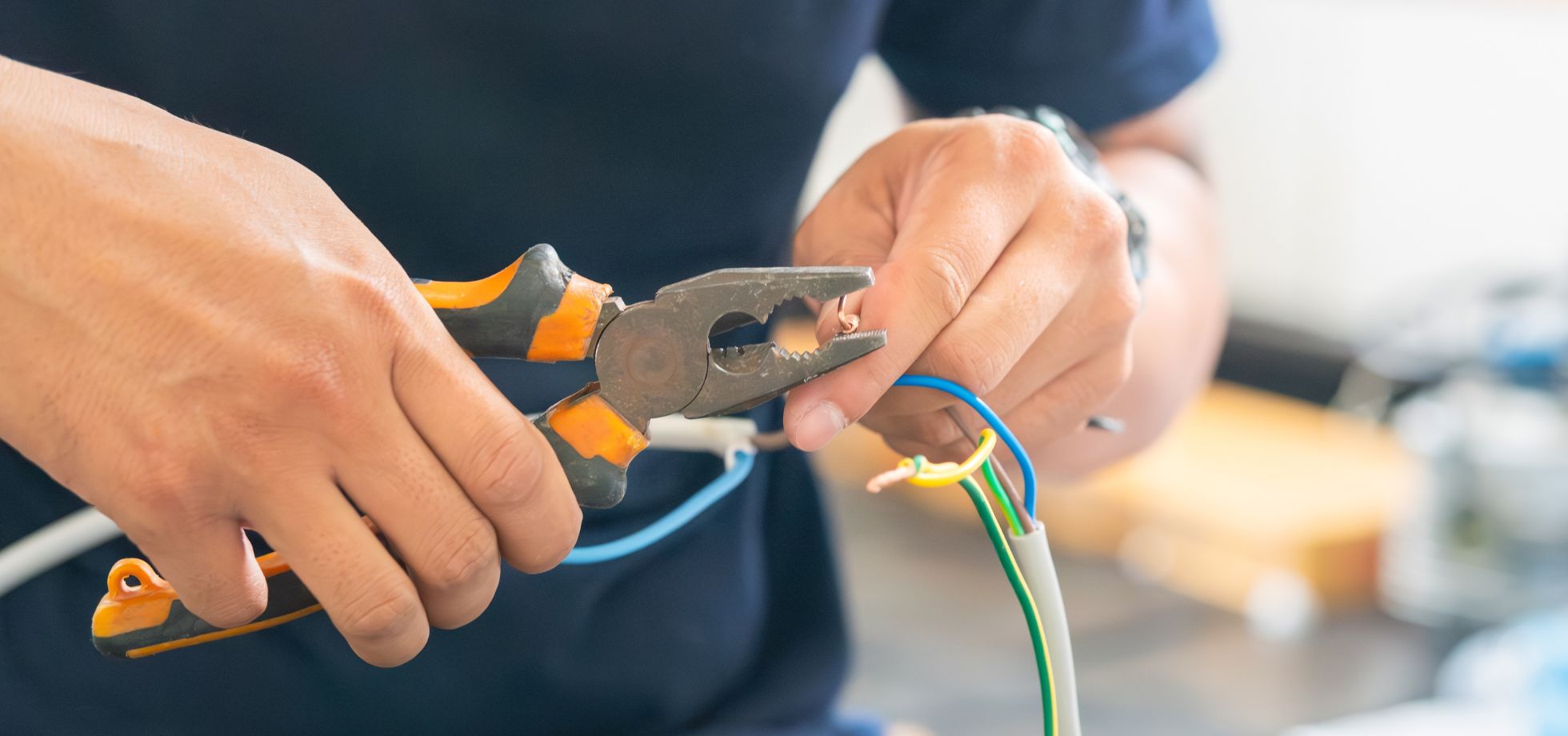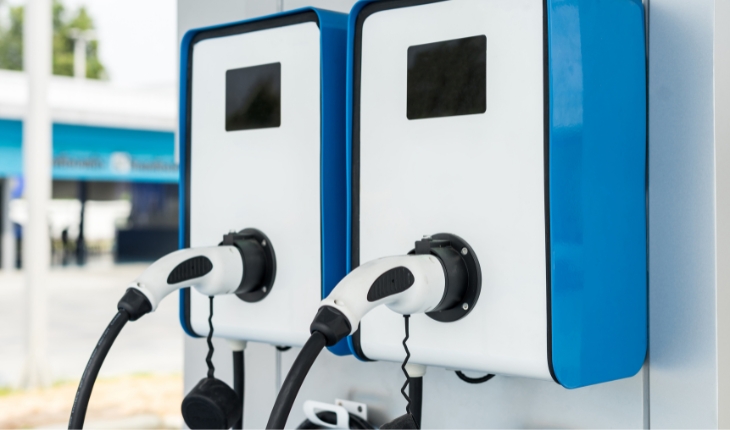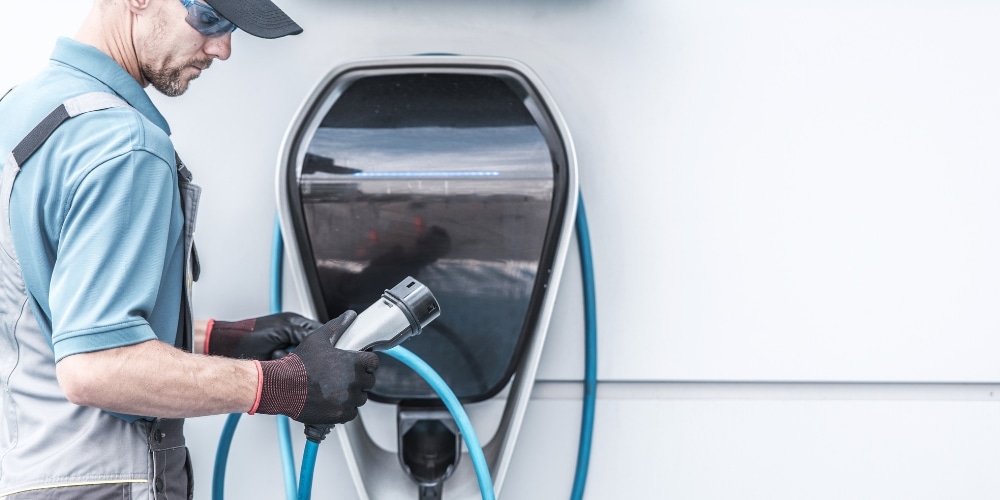
As electric vehicles (EVs) become more common on Australian roads, EV Charger Installation at home is becoming a must-have.
A dedicated home EV charger makes charging easier and supports a more eco-friendly lifestyle.
If you’d like expert help, the team at SA Borne Electrical specialises in residential EV charging installations.
Key Takeaways
-
Understanding the basics of EV Charger Installation makes the process smoother.
-
The type of charger you choose affects charging speed and convenience.
-
The right location for your home EV charger improves safety and ease of use.
-
Charging at home can provide long-term savings compared to fuel.
-
Regular maintenance keeps your charger working at its best.
-
Working with trusted professionals like SA Borne Electrical simplifies installation.
-
A home EV charger can increase property value and support sustainable living.
Understanding EV Charger Installation
What Is EV Charger Installation?
EV Charger Installation means setting up a dedicated charging unit for your EV at home.
This unit connects directly to your home’s electrical system so you can charge while the vehicle is parked.
The installation must consider:
-
Your home’s electrical capacity
-
The type of charger
-
The exact location of the unit
When these parts are planned properly, you get safe, reliable charging and a smoother driving experience.
Why Professional Installation Matters
Choosing professional EV Charger Installation is important because:
-
Licensed electricians understand local regulations and safety standards
-
Work is completed safely and correctly
-
The charger runs efficiently and lasts longer
With an experienced installer, you gain peace of mind knowing the work has been done with care and precision.
Types of EV Chargers Available in Australia
Understanding charger types helps you choose the best option for your home.
Standard Chargers vs Fast Chargers
-
Standard chargers
-
Slower charging speeds
-
Ideal for overnight charging at home
-
You plug in at night and wake up to a full battery
-
-
Fast chargers
-
Much quicker charging
-
Commonly found in public locations
-
Ideal for a quick top-up while you’re out
-
The right choice depends on how far you drive, how often you use the vehicle, and how quickly you need to charge.
Why Level 2 Chargers Are Popular at Home
For most homes, Level 2 chargers are a strong choice. They:
-
Charge much faster than standard chargers
-
Suit busy households that need quicker turn-around times
-
Offer a good balance between speed and practicality
With guidance from SA Borne Electrical, you can choose a Level 2 charger that fits your car, home, and routine.
Choosing the Right Location for Your EV Charger
The right location is key to a safe and easy EV Charger Installation.
Factors to Consider
When choosing a spot, think about:
-
Electrical system capacity – Your switchboard must handle the extra load.
-
Proximity to parking – The charger should be close to where you park.
-
Accessibility – You should be able to reach the charger without obstacles.
-
Safety – The area should be safe for regular use and protected from hazards.
Indoor vs Outdoor Installations
Indoor EV charger (e.g. garage):
-
Sheltered from weather
-
Lower risk of vandalism
-
Usually simpler installation
Outdoor EV charger (e.g. driveway or carport):
-
Must be weather-resistant
-
May involve more complex installation
-
Needs careful planning for safety and protection
The team at SA Borne Electrical can help you select the best position for your charger based on layout, safety, and convenience.
Benefits of Installing an EV Charger at Home
Cost Savings on Fuel
Home charging usually costs less than refuelling a petrol or diesel car.
By investing in EV Charger Installation, you can:
-
Lower day-to-day fuel costs
-
Make household budgeting easier
-
Enjoy reliable charging without paying public charger rates
Increased Property Value
A home EV charger can make your property more attractive to buyers who value sustainable features.
It:
-
Adds a modern, future-ready feature
-
Appeals to eco-conscious buyers
-
Helps your home stand out in a competitive market
The EV Charger Installation Process: What to Expect
Understanding the process helps you know what’s coming and feel more confident.
Initial Consultation and Site Assessment
The process begins with a consultation where your installer will:
-
Check your home’s electrical capacity
-
Discuss your charging needs and habits
-
Recommend suitable charger types and locations
This ensures your system can support the charger without overloading existing circuits.
Installation Steps Explained
A typical EV Charger Installation includes:
-
Permits and approvals
-
Obtain any required approvals from local authorities.
-
-
Preparing the installation area
-
Clear space around the switchboard and charger location.
-
-
Electrical work
-
Run new wiring if needed
-
Mount the charger
-
Connect it safely to your electrical system
-
-
Testing the system
-
Confirm the charger works correctly
-
Check safety and efficiency
-
-
Handover and explanation
-
Show you how to use the charger
-
Explain basic features and safety tips
-
With experienced technicians, the process is structured, safe, and designed to be as hassle-free as possible.
SA Borne Electrical: Your EV Charger Installation Partner
SA Borne Electrical is proud to be recognised as an EV Charger Installation specialist.
Expertise and Experience
The team:
-
Has extensive experience with EV charger installations
-
Stays up to date with current EV technology and regulations
-
Follows strict safety standards on every job
Compared with general electricians, this focused experience means:
-
Stronger knowledge of EV charger products
-
High customer satisfaction
-
Ongoing support after installation
When you choose SA Borne Electrical, you’re working with a team that aims to exceed your expectations, not just meet them.
Maintenance Tips for Your EV Charger
Regular care keeps your charger safe and efficient.
Routine Check-Ups and Servicing
Planned check-ups help find small issues before they turn into bigger problems. Typical maintenance includes:
-
Checking the physical condition of the unit and cable
-
Testing charging speed and connection
-
Updating software when needed
-
Cleaning the charger to prevent dust build-up
Regular maintenance can reduce the risk of faults and extend the life of your equipment.
Common Issues and Simple Checks
Some common EV charger problems include:
-
Poor charging speed – May be due to cable damage or a faulty outlet.
-
No connectivity – Can be caused by Wi-Fi or network issues.
-
Charger not responding – May be linked to a power supply problem.
Basic steps include:
-
Inspecting the cable and trying another outlet (if applicable)
-
Checking network or Wi-Fi settings (for smart chargers)
-
Making sure the unit has power and performing a reset if needed
If problems continue, the safest option is to contact a qualified technician. You can reach the SA Borne Electrical team via the contact page.
Get Started with Your EV Charger Installation
Ready to add a home EV charger and make charging simpler every day?
SA Borne Electrical can guide you through every step of EV Charger Installation, from choosing a charger to final testing.
Contact Us for a Free Quote
To get started:
-
Visit the contact us page, or
-
Call the number listed on the website
You’ll receive a free quote tailored to your home, your vehicle, and your charging needs.
Join the EV Transition with Confidence
By working with SA Borne Electrical, you’re:
-
Making charging more convenient
-
Supporting cleaner transport
-
Adding a future-focused feature to your home
Let the team help you make EV Charger Installation simple, safe, and stress-free.
FAQ
What does the EV charger installation process involve?
It includes a site assessment, checking your electrical capacity, choosing the right charger, and then installing and testing the unit to meet safety and local regulations.
How much does it cost to install an EV charger at home?
Costs vary based on the charger type, location, and any electrical upgrades needed. SA Borne Electrical provides a tailored, free quote so you understand the total investment before work starts.
Can I install an EV charger myself?
DIY installation is not recommended. A licensed electrician should handle all electrical work to keep it safe and compliant.
What type of EV charger is best for home use?
For most homes, a Level 2 charger is the best option. It charges faster than standard units and suits busy households.
Is it better to install an EV charger indoors or outdoors?
It depends on your layout and parking. Indoor locations offer more protection from weather and vandalism. Outdoor units must be weather-resistant and carefully placed.
Will installing an EV charger increase my home’s value?
Yes. Many buyers look for modern, eco-friendly features, and a home EV charger can make your property more appealing.
What maintenance does an EV charger require?
Regular visual checks, occasional cleaning, and periodic professional inspections help keep it running safely and efficiently.
How do I get started with EV Charger Installation?
Simply contact SA Borne Electrical for a free quote and expert guidance tailored to your home and EV.