Why DIY Electrical Work Is Illegal in Australia
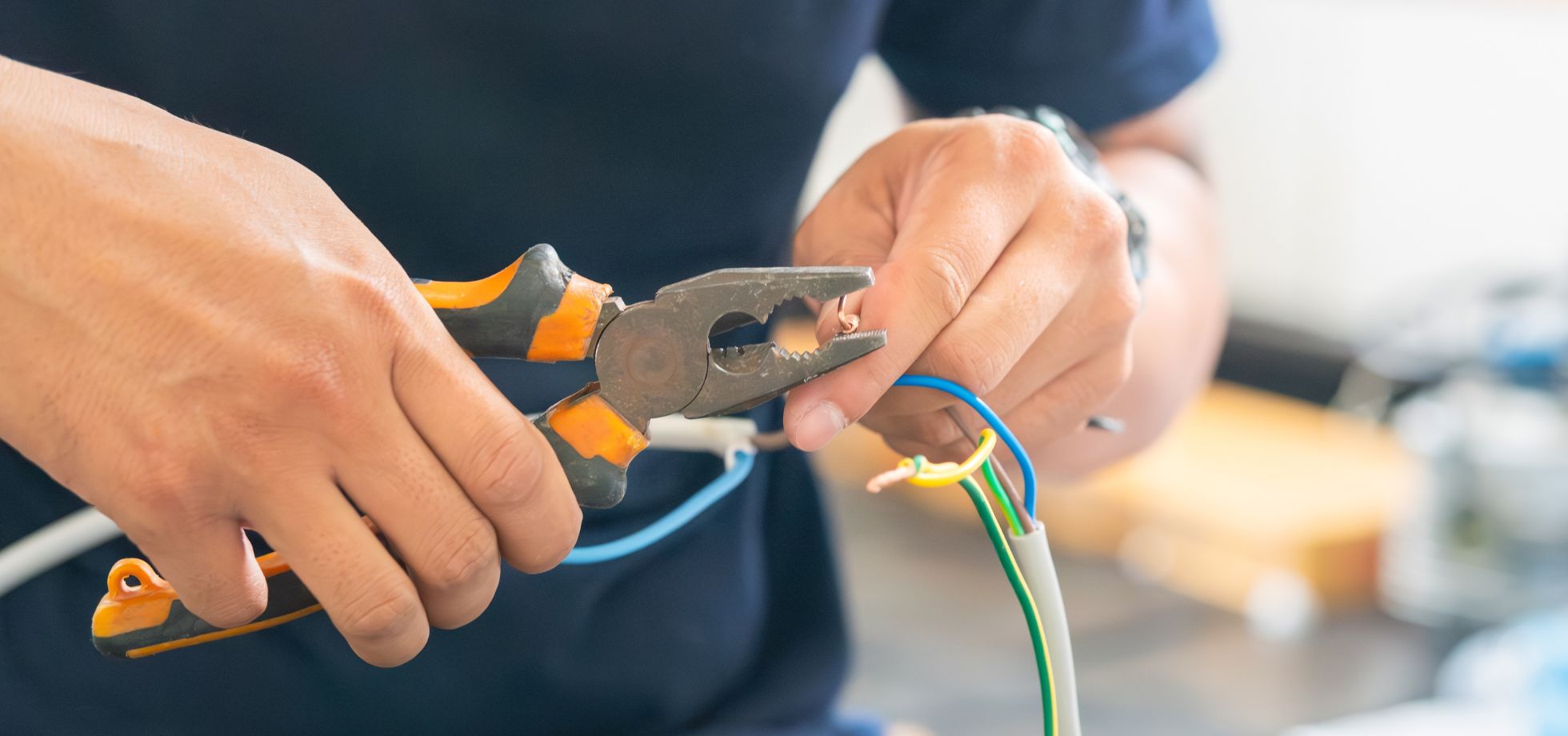
In every state and territory across Australia, it is illegal for unlicensed individuals to carry out electrical work. This includes tasks that many homeowners consider “simple,” such as replacing a power point, swapping a light switch, or installing a new light fitting. Under the Electricity Safety Act, only licensed electricians are legally permitted to work on fixed wiring, circuits, and hardwired appliances.
The law exists because Australia operates on 220 to 240 volts, roughly double the voltage used in countries like the United States. At that level, contact with live wiring can cause fatal electrocution, and improperly installed components can trigger house fires that put entire families at risk. Fines for performing unlicensed electrical work can reach $40,000 or more depending on the state, and if the work creates a serious safety hazard, penalties can escalate to hundreds of thousands of dollars and even imprisonment.
The rule is straightforward: if the task involves any contact with electrical wiring, circuits, or connections to your home’s electrical system, you need a licensed electrician. No exceptions.
Electrical Jobs That Look Simple But Are Not
Many homeowners search for an “electrician near me small job” expecting a quick fix they could potentially handle themselves. But these tasks involve live wiring and carry real risk. Here are some of the most common small jobs that require a licensed residential electrician Adelaide homeowners can trust.
Replacing Power Points and Switches
It looks like a five-minute job, but power points connect directly to your home’s fixed wiring. Incorrect installation can cause arcing, overheating, or short circuits. In Australia, this task is illegal without a licence.
Installing or Replacing Light Fittings
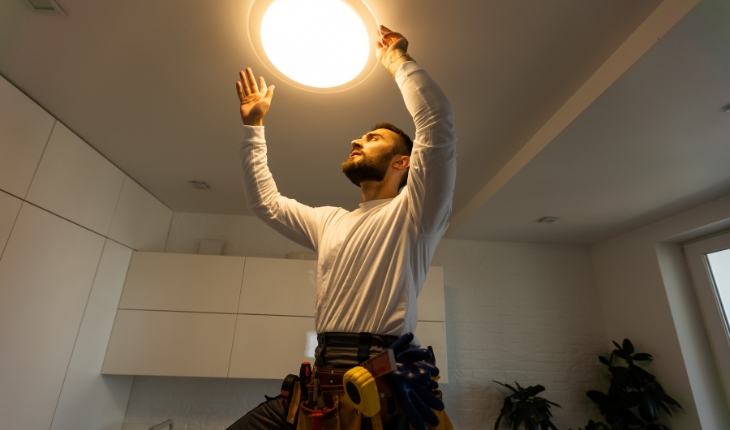
Swapping a bulb is fine, but replacing the fitting itself means disconnecting and reconnecting hardwired connections. Loose wiring or incorrect polarity can create fire hazards hidden behind your ceiling.
Adding an Extra Power Point
Running a new power point requires routing cable through walls, connecting to the switchboard circuit, and ensuring the circuit can handle the additional load without tripping or overheating.
Ceiling Fan Installation
Beyond the electrical wiring, a ceiling fan needs to be securely mounted to handle vibration and weight. Incorrect installation risks the fan falling or causing an electrical fault at the junction box.
Fixing a Tripping Safety Switch
A safety switch that keeps tripping is telling you something is wrong. Diagnosing the underlying fault, whether it is a damaged circuit, faulty appliance, or water ingress, requires proper testing equipment and a licensed professional.
Smoke Alarm Replacement
Battery-only smoke alarms can be swapped by homeowners, but hardwired smoke alarms are connected to your mains power and must be replaced by a licensed electrician to remain compliant with Australian standards.
The Real Cost of DIY Electrical Mistakes
The motivation behind DIY electrical work is almost always saving money. But the potential costs of getting it wrong far outweigh any short-term savings.
Voided home insurance – If your insurer discovers that unlicensed electrical work caused a fire or damage, your claim will almost certainly be denied. Home and contents insurance does not cover losses resulting from illegal electrical work.
Fines and legal penalties – Depending on your state, unlicensed electrical work can result in fines of up to $40,000 for individuals. If the work creates a serious risk of electrocution, penalties can reach $600,000 and up to five years of imprisonment.
Reduced property value – During a pre-purchase inspection, uncertified electrical work will be flagged. You will need to pay a licensed electrician to rectify the work before settlement, often at a higher cost than doing it properly the first time.
Safety hazards that develop over time – A faulty connection might not cause an immediate problem. But loose wiring, incorrect polarity, or an overloaded circuit can deteriorate silently, leading to electrical fires weeks, months, or even years later.
What Counts as a “Small” Electrical Job?
When people search for an “electrician near me small job,” they usually mean tasks that seem quick and minor. In the electrical trade, these are often called “point work” or “minor works.” They are small in scope but still require a licensed professional.
Common small electrical jobs include replacing faulty power points, swapping light switches, installing dimmer switches, adding USB power outlets, replacing hardwired smoke alarms, installing ceiling fans, and fixing flickering lights. A good electrician Adelaide residents trust will happily take on these jobs without making you feel like the task is too small to bother with.
There are a handful of tasks homeowners can legally do themselves. These include changing light bulbs, replacing a battery in a smoke alarm, replacing the faceplate or cover of a switch or power point (without touching wiring), plugging in appliances, and installing low-voltage garden lights that use a plug-in transformer. If it goes beyond these basics and involves any wiring, call a professional.
When to Call a Local Electrician in Adelaide
If you are experiencing any of the following, it is time to call a licensed electrician rather than attempting a fix yourself: flickering or dimming lights, power points that feel warm to the touch, a burning smell near outlets or switches, safety switches or circuit breakers that keep tripping, buzzing or crackling sounds from your switchboard, or any appliance that gives you a mild shock.
SA Borne Electrical has been providing trusted electrical services to Adelaide homes and businesses since 2000. Our team of fully licensed electricians handles small jobs with the same professionalism and attention to detail as larger projects. We offer transparent pricing with no hidden fees, and our 24/7 emergency availability means we are ready when you need us most.
Whether it is a single power point replacement or a full switchboard upgrade, contact our team for a fast, obligation-free quote. We treat every job as important, because when it comes to electrical safety, no job is too small to get right.
980+
Successful Services
100%
SA Owned and Operated
25+
Years of Experience
24/7
Emergency Availability
FAQs
Can I replace a power point myself in Australia?
No. Replacing a power point involves disconnecting and reconnecting fixed wiring, which is classified as electrical work under Australian law. Only a licensed electrician can legally carry out this task. You are permitted to replace the cosmetic faceplate or cover of a power point without touching the wiring behind it, but anything beyond that requires a professional.
What electrical work can homeowners legally do themselves?
The list is short. Homeowners can change light bulbs, replace batteries in smoke alarms, replace switch or power point faceplates (covers only, no wiring), install low-voltage garden lights that plug into a standard power point via a transformer, and replace a blown fuse with the correct rating. Any task that involves direct contact with electrical wiring or circuits must be completed by a licensed electrician.
How much does a small electrical job cost in Adelaide?
The cost of a small electrical job varies depending on the task, the parts required, and the complexity of your property’s wiring. SA Borne Electrical offers transparent pricing with no hidden fees and provides a clear quote before any work begins. Contact our team for an obligation-free quote tailored to your specific job.
How quickly can an electrician come out for a small job?
SA Borne Electrical is available 24/7 for emergency electrical services across Adelaide. For non-urgent small jobs, we aim to schedule your appointment promptly and work around your availability. Our team prioritises clear communication and will confirm a time that suits you when you get in touch.